

November 13, 2025
When it comes to rejuvenating your skin and restoring a youthful glow, two of the most popular treatments at Clarity Medical Spa in San Jose are microneedling and chemical peels. Both procedures are designed to improve skin texture, tone, and overall appearance, but they work in very different ways. Understanding the benefits, limitations, and ideal candidates for each can help you make an informed choice that aligns with your skincare goals and lifestyle.
Whether you are dealing with fine lines, sun damage, acne scars, or uneven skin tone, learning how these treatments work and which one might be best for your skin can save time, money, and unwanted frustration.
How Microneedling Works
Microneedling, also called Collagen Induction Therapy (CIT), is a minimally invasive procedure that uses tiny, sterile needles to create controlled micro-injuries in the skin. These micro-injuries trigger the body’s natural healing process, encouraging the production of collagen and elastin, two critical proteins that maintain skin firmness, elasticity, and smoothness.
Unlike other resurfacing treatments, microneedling works from the inside out. The controlled punctures stimulate cellular repair deep in the dermis, which gradually improves skin structure over time. Our SkinPen™ treatment at Clarity Medical Spa can safely treat multiple areas, including the face, neck, décolleté, hands, arms, legs, and even the abdomen or back.
The result is skin that is firmer, smoother, and more youthful, with reduced visibility of wrinkles, acne scars, stretch marks, and large pores. Because the process leverages your body’s own natural healing, results are progressive and long-lasting, often appearing over several weeks as your skin naturally regenerates.
Benefits of Microneedling
- Natural collagen stimulation: Encourages long-term skin firmness, elasticity, and improved overall skin health.
- Versatile treatment: Effective for a wide range of skin types and concerns, including acne scars, stretch marks, and uneven texture.
- Minimal downtime: Mild redness similar to a sunburn is typical, but most patients resume normal activities within 24–48 hours.
- Customizable results: Microneedling can be paired with PRP, PRF, Exosome, or Rejuran® PDRN injections to enhance collagen production and accelerate healing.
Microneedling is particularly appealing for patients who want a gradual, natural rejuvenation process that is safe for both lighter and darker skin tones.
How Chemical Peels Work
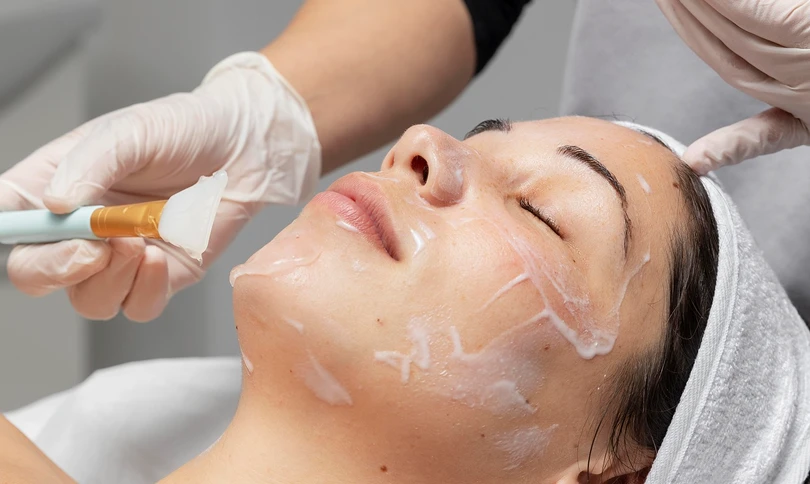
Chemical peels involve applying a solution to the skin that exfoliates the outermost layers, revealing smoother, fresher skin underneath. Peels are available in varying strengths:
- Superficial peels: Treat only the top layer, improving skin texture, minor discoloration, and dullness.
- Medium peels: Penetrate deeper layers to address fine lines, moderate pigmentation, and acne scars.
- Deep peels: Reach the lower dermis for significant resurfacing, often requiring medical supervision and longer recovery.
By breaking down damaged skin cells, chemical peels promote cell turnover and stimulate collagen production. Many patients notice visible improvements in tone, brightness, and smoothness soon after treatment, making peels a popular option for those seeking rapid results.
Benefits of Chemical Peels
- Quick, noticeable results: Especially with superficial peels, improvements in texture and clarity can often be seen immediately.
- Brightened, clearer complexion: Highly effective for pigmentation issues, sun damage, and acne-related scars.
- Customizable strength: Can be tailored to mild, moderate, or more severe skin concerns for a wide range of patients.
However, chemical peels carry a higher risk of irritation, redness, and pigmentation changes in sensitive or darker skin. Deeper peels may also require significant downtime, with recovery ranging from several days to two weeks.
Microneedling vs Chemical Peels: Key Differences
While both microneedling and chemical peels aim to rejuvenate the skin, their approach, recovery times, and suitability differ:
- Mechanism: Microneedling works by creating controlled micro-injuries to trigger collagen and elastin production, while chemical peels remove damaged skin layers to reveal new skin beneath.
- Downtime: Microneedling involves minimal downtime, with redness typically resolving in 24–48 hours. Chemical peels, particularly medium and deep peels, may require days or even weeks of healing.
- Skin type suitability: Microneedling is generally safe for all skin tones. Chemical peels require caution for darker skin tones to avoid post-inflammatory hyperpigmentation.
- Timeline of results: Microneedling provides gradual improvements over several weeks, while chemical peels often yield faster visible results but may need repeated sessions to maintain long-term benefits.
- Combination potential: Microneedling can be combined with PRP, PRF, Exosome, or Rejuran® PDRN for enhanced cellular-level regeneration. Chemical peels are typically paired with topical treatments rather than regenerative injections.
Understanding these differences helps patients choose a treatment that matches both their cosmetic goals and their comfort level with downtime and skin sensitivity.
Choosing the Right Treatment for You
The right choice depends on your skin type, concerns, and long-term goals. Microneedling is ideal for those seeking subtle but long-lasting improvements in texture, firmness, and overall skin quality, with minimal disruption to daily life. It is particularly effective for acne scars, fine lines, stretch marks, and skin laxity.
Chemical peels are suitable for patients looking for more immediate results in tone, brightness, and surface-level imperfections like sun spots or minor pigmentation irregularities. However, deeper peels require careful consideration due to increased risk and longer recovery time.
A licensed skincare professional can evaluate your skin and recommend the most effective treatment or combination of treatments for your individual needs, ensuring safe and optimal results.
Combining Treatments for Maximum Benefit
For patients seeking optimal skin rejuvenation, combining microneedling with advanced regenerative therapies, such as PRP, PRF, Exosome, or Rejuran® PDRN injections, can enhance results. These add-ons stimulate collagen production, reduce inflammation, accelerate healing, and improve skin tone and texture at a cellular level. This approach allows patients to achieve smoother, firmer, and more radiant skin more efficiently than either treatment alone.
Safety and Aftercare
Both treatments are safe when administered by licensed, experienced professionals. Microneedling usually requires minimal aftercare, such as avoiding sun exposure and harsh products for a short period. Chemical peels may require a more regimented post-treatment routine, including hydration, sun protection, and avoiding exfoliating products until the skin has fully recovered.
Following recommended aftercare protocols ensures optimal results and minimizes the risk of complications for both procedures.
Microneedling and chemical peels are both effective options for skin rejuvenation, but the right choice depends on your specific goals, skin type, and tolerance for downtime. Microneedling offers natural, long-term improvements with minimal recovery, while chemical peels provide faster, more visible results at the surface level and may require longer healing. Consulting with a licensed skincare professional ensures you select the treatment or combination of treatments that delivers the safest and most effective results for your skin.
Schedule Your Microneedling Consultation
Schedule your microneedling consultation today and take the first step toward smoother, firmer, and more radiant skin. At Clarity Medical Spa in San Jose, our licensed professionals will design a personalized microneedling plan for your face, neck, décolleté, hands, or other areas, with optional PRP, PRF, Exosome, or Rejuran® PDRN treatments to enhance and prolong results, leaving you naturally rejuvenated and confident.